
Customer Interaction Before, During and After the Store Visit
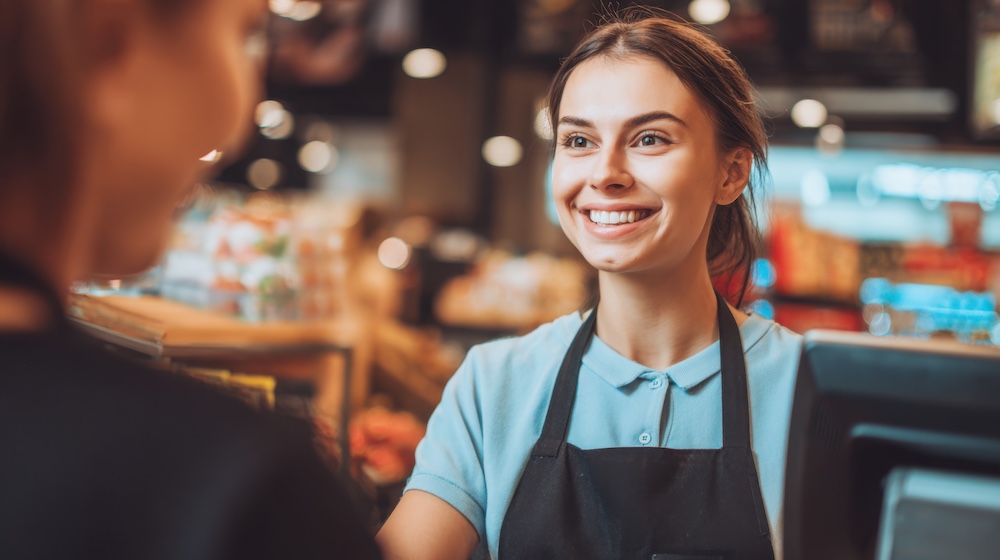
Customer service does not come naturally to everyone. Specific training for front-line employees is needed. First, teach employees to make eye contact and smile – showing teeth – so that customers know they are being welcomed. This form of nonverbal communication is often key to an initial greeting; however, some people find this awkward, and if they don’t smile, they may be mistaken for unhappy. Other training may include teaching how to listen with empathy, transforming dissatisfied customers.
For years I have frequented my corner Starbucks where many of the employees greet me by name and know my preferred drink. These employees possess the type of soft skills that make me feel valued as a customer, and this level of service did not occur by accident. As noted by Howard Behar, retired senior executive of Starbuck’s, in his book “It’s Not About the Coffee: Leadership Principles from a Life at Starbucks,”
“At Starbucks, the coffee has to be excellent, from the sourcing and growing to the roasting and brewing. The vision has to be inspiring and meaningful. Our finances have to be in order. But without people, we have nothing. With people, we have something even bigger than coffee.” Behar stresses the importance of people over profits in his book, which showcases 10 principles that guided his leadership, and not one is about coffee. He touts that regarding employees as people, rather than labor costs, will lead to exponential results. And deep connections with customers will keep them coming back for more. Trader Joe’s, extending beyond its own industry, ranks high for providing outstanding customer service (American Customer Satisfaction Index). Trader Joe’s attributes this to the fact that “we treat our employees like customers, they review us (the management team), and happy employees want to do a great job for the customer.”
These examples illustrate that it is critical for organizations to develop a customer service strategy that creates a culture of service. Management must lead by example so that employees not only embrace and value a service-oriented mindset but view it as a team effort.
The personal connections your staff develops when people walk through your doors will transform the customer’s experience and connect guests with your brand. Prioritizing customer service will ultimately positively impact the bottom line.
Connecting with customers after the visit will also help forge a long-lasting relationship with them. Many c-store brands have loyalty programs or fuel-discount programs that gather information for communicating digitally with guests to create a valued relationship — and remember that communication should be two-way. Use this opportunity to seek feedback after a visit, ask if they may want to thank an employee for great service, or you may choose to offer a special promotion on a product they purchase to bring the guest back.
Consider these thoughts as you formulate a customer service strategy:
- Conduct a needs assessment to learn what a customer wants from a service standpoint. Furthermore, break down these customer wants to specific human actions and mannerisms which employees can execute.
- Hire employees who possess the right attitude, personality and skill set to support the customer experience you are looking to cultivate.
- Train, retrain and reward employees on customer service skills, especially front-line employees. Teach your organization’s approach to customer service, how to respond to customers and how to handle difficult situations.
- Establish goals for achieving customer satisfaction and communicate these goals, along with their role, to employees.
- Share customer satisfaction data with employees so that they are involved in the organization’s overall performance and understand the role they play in helping you achieve satisfaction.
- Reinforce the service culture you have created by communicating digitally with guests (but not overwhelming them with texts or emails) and recognizing employees who exemplify strong customer service
- Remember to track and answer ALL digital reviews, whether via your app, Google, Apple, Yelp or other platforms.
Related Posts
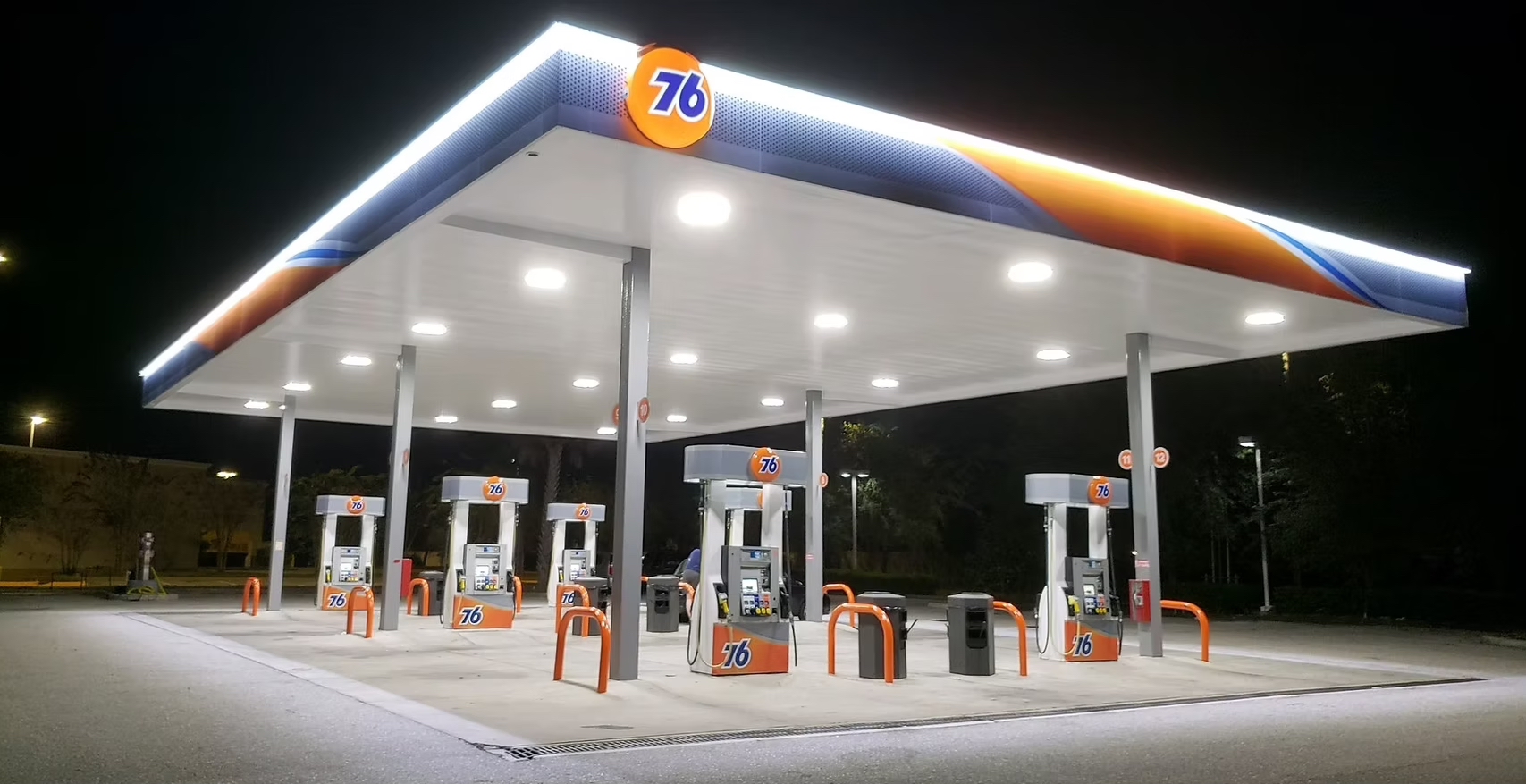
BATeam helps HEAS Energy to Increase Profitability by $400 per Store/Day
BATeam helps HEAS Energy to increase top line Gross Profit by $400 per day/store.
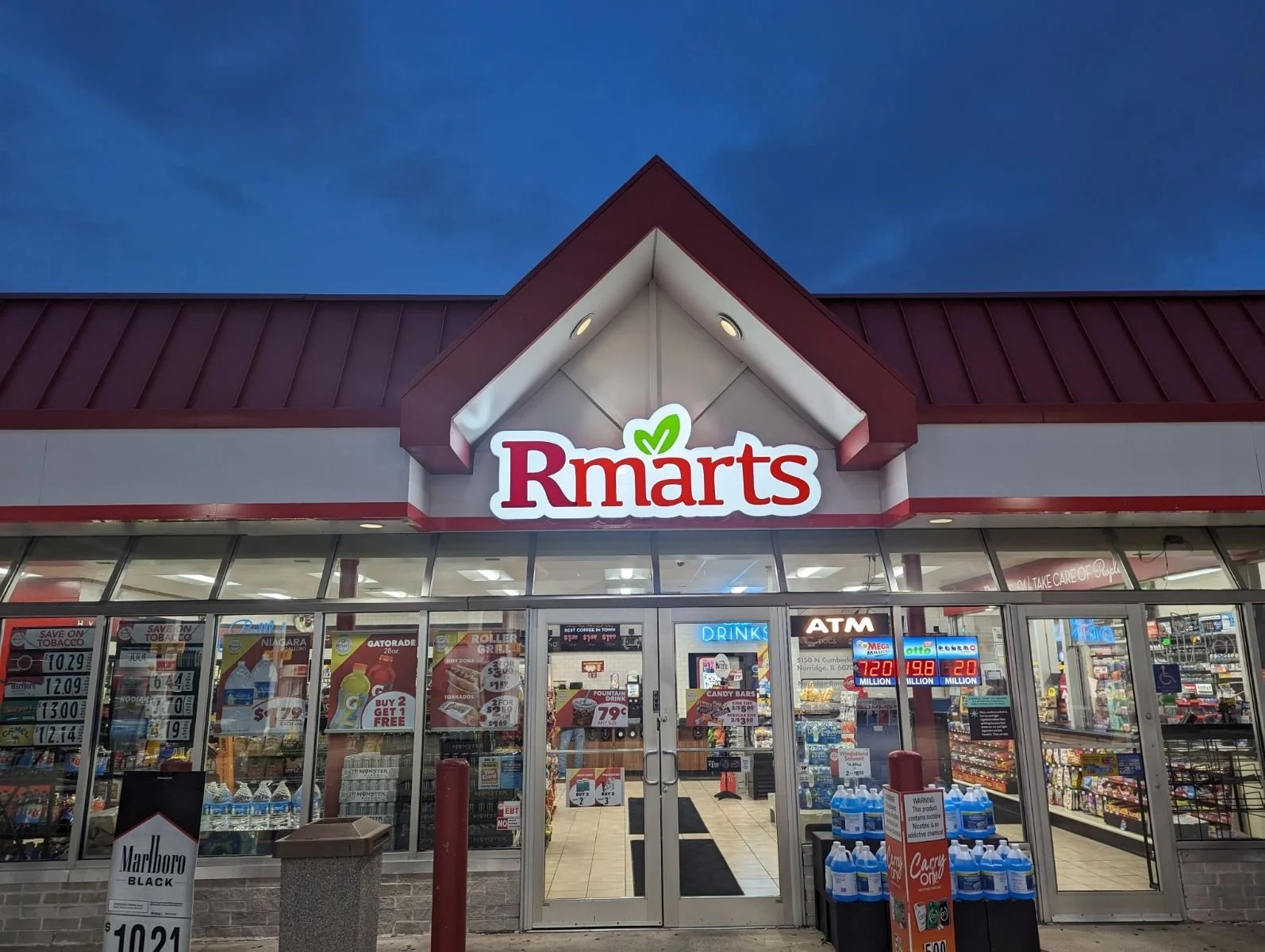
BATeam Helps Rmarts Increase Gross Profit by 7% in 2 Years
BATeam helped Rmarts increase gross profit by 7% with a focus on Marketing, Operations, Financial Management Coaching and Generational Transition advisory.