
Marketing, Merchandising and Promotion
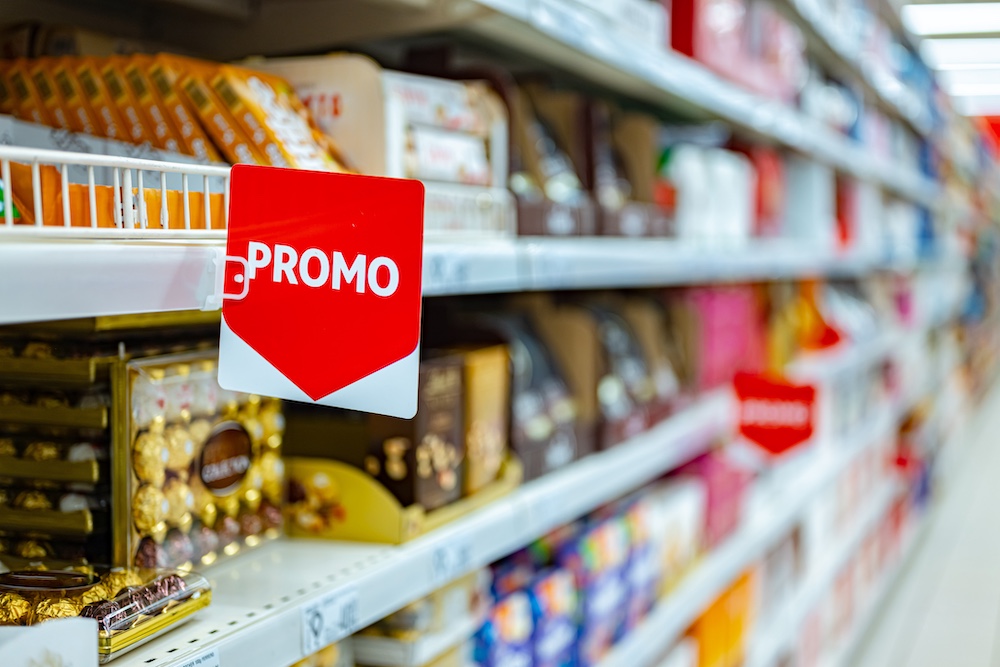
The Power of Marketing
Having a clear, concise and relevant marketing message is a requirement to connect with, and motivate, your target audience.
Massive spending against a campaign cannot compensate for poor positioning of the brand.
The following seven guidelines will ensure effective communication with a target audience – whether it be the trade (marketers and potential marketers) or the end consumer. These guidelines are rooted in an understanding of what people want and need, and how they respond, which will be beneficial in developing the brand’s USP (unique selling proposition).
1. Establish a Product Personality
Effective marketing invests the product with a vivid, appealing personality that helps it stand out from the crowd. It signals genuine values. Building product personality takes consistency. Marketing, advertising, promotion and design all need to speak with the same voice.
2. Position the Product Clearly
Effective marketing makes it instantly clear where the product fits into the prospect’s life. Clear positioning picks the arena in which the brand is most likely to succeed.
3. Feature the Most Compelling Benefit
Effective marketing addresses a real need. It speaks as competitively as the facts allow. It is specific and single minded. The product, not the marketing or advertising elements, emerge as the star.
4. Break the Pattern
Effective marketing excites the senses. It separates itself from surrounding communications just as it separates the product from competing products.
5. Generate Trust
A prospect will not buy from a salesperson he or she does not trust. Effective marketing not only speaks the truth, but everything about it rings true. It is simple, direct and empathetic.
6. Appeal to the Heart and Head – An Emotional Connection
No sale is made entirely in the mind. Sales are at least partially made in the heart. Effective marketing presents practical reasons to buy but also invests the message with emotional values consistent with the product’s personality.
Often Position statements are thought of as the following:
If I (ACTION), I will (BENEFIT), because (SUPPORT). What action do you want your target to take (buy, visit, call, use, etc.); what is the key benefit followed by support (brand attributes, research etc.) for that benefit?
The Power of In-Store Merchandising
Clear and effective marketing must then be paired with compelling in-store merchandising. The 2024 NACS Fuels Survey suggests that 58% of drivers filling up with gas go into the convenience store to buy food and beverage or use the ATM or restroom. This is the opportunity to capitalize on those footsteps. Here are four examples of successful in-store merchandising.
1. Creating Impulse Buys– Depending on the category, a large percentage of purchases are bought without being on “the list.” Your product must be presented well in store. Planogram placement is important as well as signage and off-shelf displays. Ensuring your product is well stocked, in code, presentable and signed are the basics to creating those impulse buys.
2. Developing Additional Points of Interruption– Off-shelf displays go a long way in capturing your consumers’ share of wallet. Placing an appropriately sized off-shelf display (floor displays, PDQ’s, side wings, etc.) can convert a sale. Your potential consumer may not walk down the aisle where your product is located; however, a display placed outside of your aisle could close the deal. Ensure displays are placed in high traffic areas to get the best results.
3. Avoiding Blind Sales– A blind sale is when your product is purchased on promotion, but the shopper wasn’t aware of the promotion. The customer was willing to make the purchase at full retail. This may be the result of missing promotional signage – if that’s the case it could be more detrimental to the account than blind sales. The account could also lose sales to potential shoppers who aren’t willing to convert at the regular retail. To ensure you avoid blind sales make certain that you have a process in place to get promotional signage to the shelf and display.
4. Drive Trial– If there is a new innovative item, it’s loaded on the shelf, it’s promoted and it’s well signed you’ve got a great recipe to get a new customer to pick up that item. Consumers can be hesitant to try something new but if you’re able to create a compelling story at the point-of-purchase you could create a customer for life.
The Power of Promotion
The impact of promotions on sales varies significantly, with some studies showing potential increases from 3–15% in incremental sales for the promoted product range. However, in contrast to these figures, research from Boston Consulting Group indicates that a large percentage of promotions (20–50%) may generate little to no sales lift, and some even have a negative impact. Promotional effectiveness depends on factors like promotion type, target audience, and offer design as well as the deployment of a succinct promotional communication plan, one that reaches current and potential consumers. Success is not guaranteed and requires careful planning.
The main elements of promotion may include advertising, public relations, sales promotion, personal selling, and direct marketing. These tools should be used in combination to communicate with potential customers and persuade them to buy a product or service. In today’s environment, this direct marketing must include tactics via the app, geofencing, Google, to name a few.
Business Accelerator Team is an outside-in catalyst assisting with insight, strategy, marketing and connections. Since 2015, our collective has been providing business-development expertise derived from a deep understanding of what has worked with suppliers, retailers and media in retailing and foodservice. This team of industry experts has been combining their 400+ years of collective experience to improve growth and profitability for a range of clients. If you would like to learn more about how Business Accelerator Team can help you improve your in-store merchandising, contact us for more information.
Related Posts
BATeam helps HEAS Energy to Increase Profitability by $400 per Store/Day
BATeam helps HEAS Energy to increase top line Gross Profit by $400 per day/store.
BATeam Helps Rmarts Increase Gross Profit by 7% in 2 Years
BATeam helped Rmarts increase gross profit by 7% with a focus on Marketing, Operations, Financial Management Coaching and Generational Transition advisory.